
Underlying Technologies - Metamaterials and Origami
Underlying Technologies – Metamaterials & Origami
This section introduces the core technologies behind Nature Architects’ design approach—
metamaterials and origami—used to control physical properties through structural design.
Form-Finding Technology
To find structures that control the physical properties optimally, Nature Architects develops computational form-finding techniques.
By integrating a wide range of technologies, from shape processing to numerical calculation, optimization, and machine learning, and combining them with our unique software, we are able to generate new ideas based on numerical calculations.
Solution application examples
Please contact us for details and unpublished cases.
Deformation Control Design
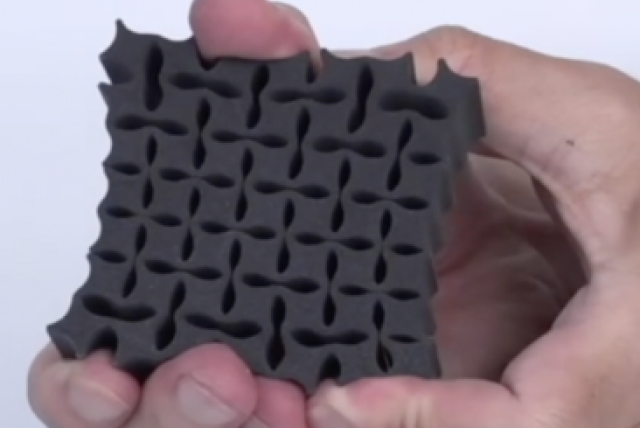
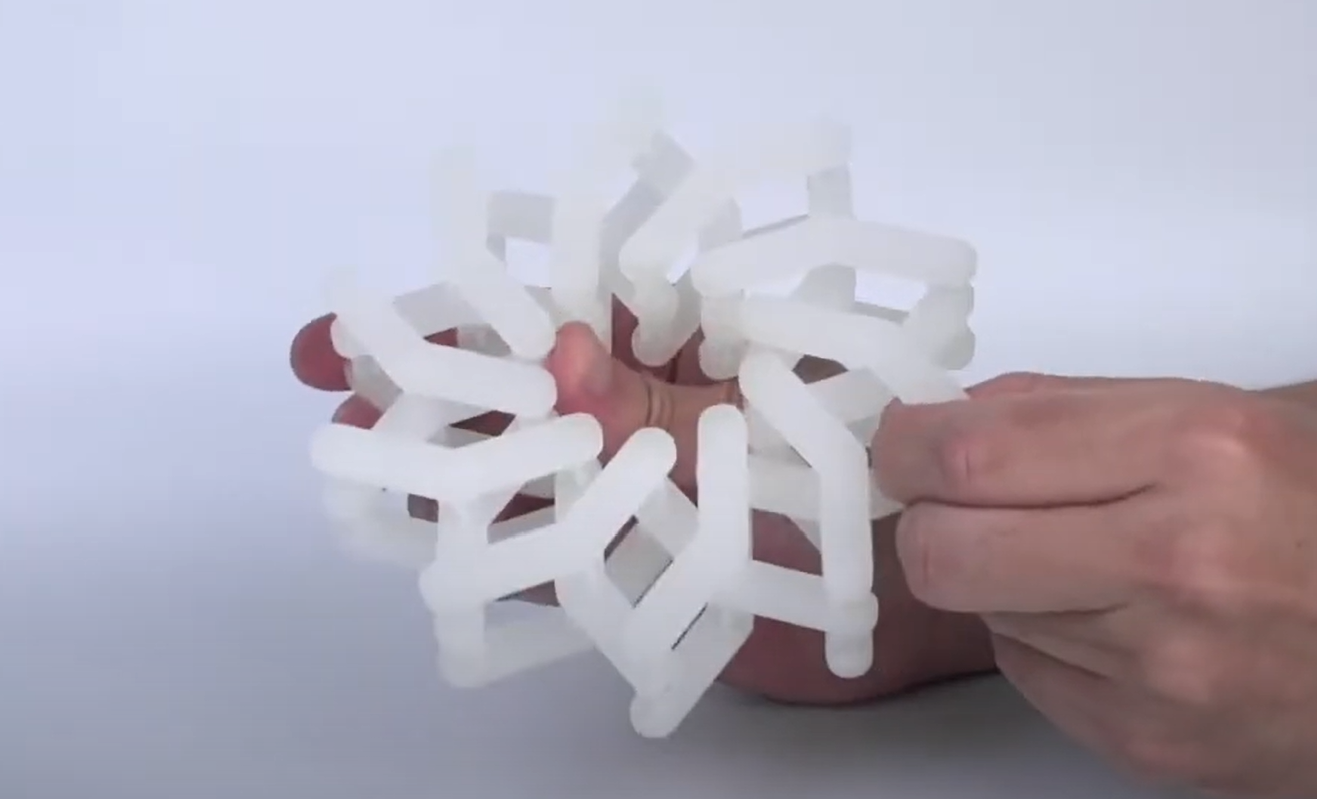
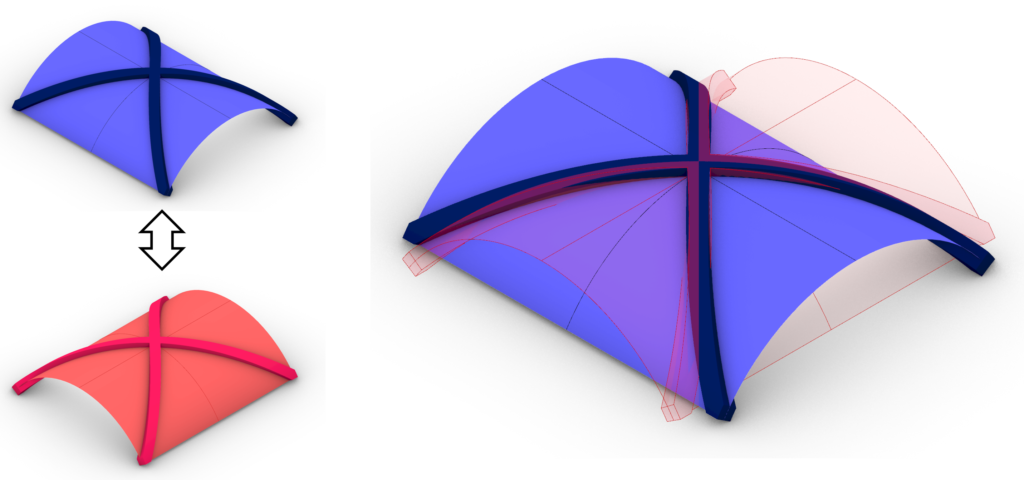
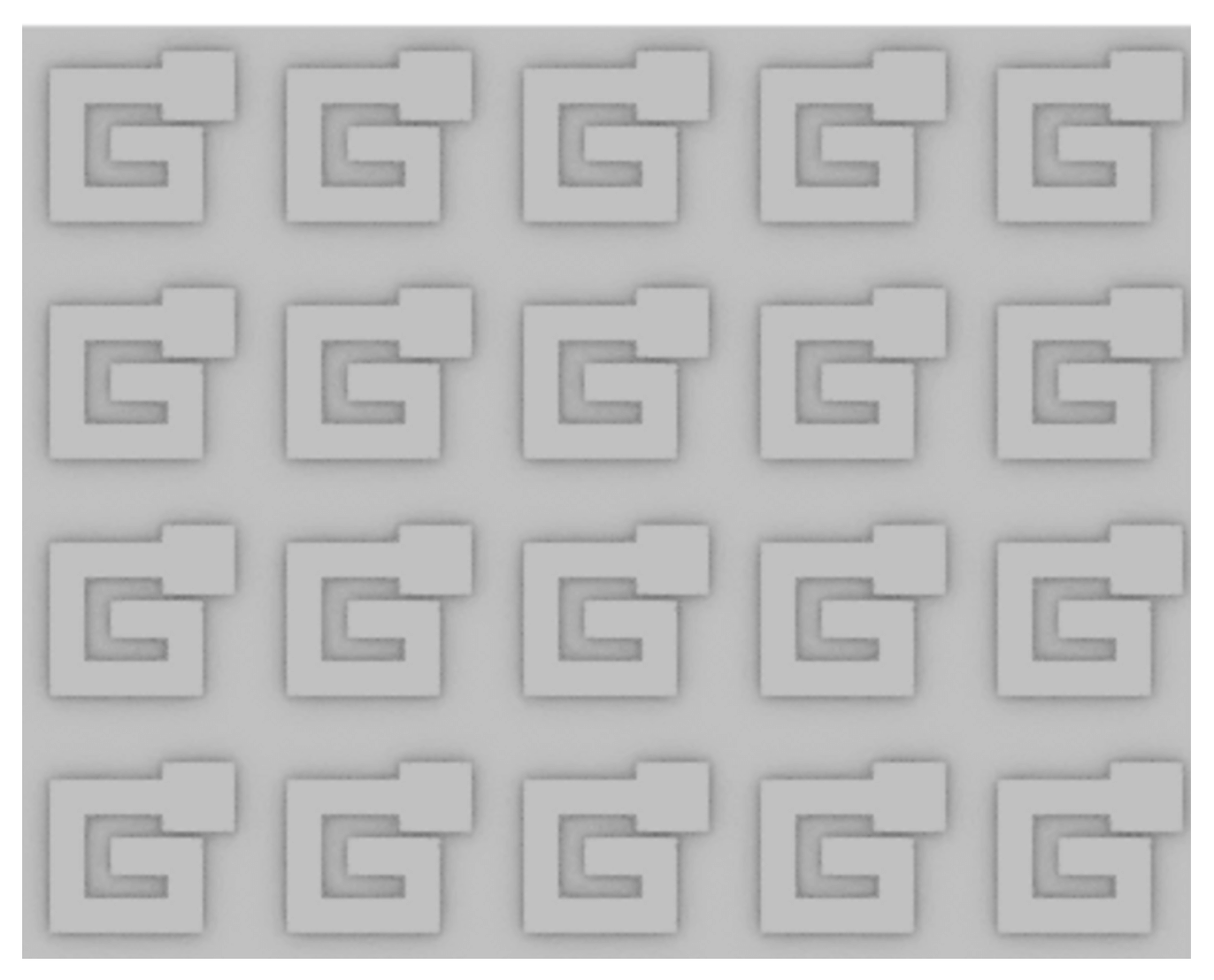
Utilizing knowledge of mechanical metamaterials, origami engineering, and compliant mechanisms, we create unique deformation functionality through ingenuity in geometric structures.
A variety of structural performances are realized, including nonlinear load-displacement response, shape-changing mechanisms in response to external forces (morphing structures), folding/deploying structures, and integration of components that incorporate movable parts.
Using our unique design and optimization platform, we provide effective design support for issues such as improving the efficiency of manufacturing processes using deformation mechanisms, reducing the weight of components, and promoting part consolidation.
Application examples: Battery structural parts, apparel, building materials, electronic parts, optical equipment, etc.
Vibration Control Design
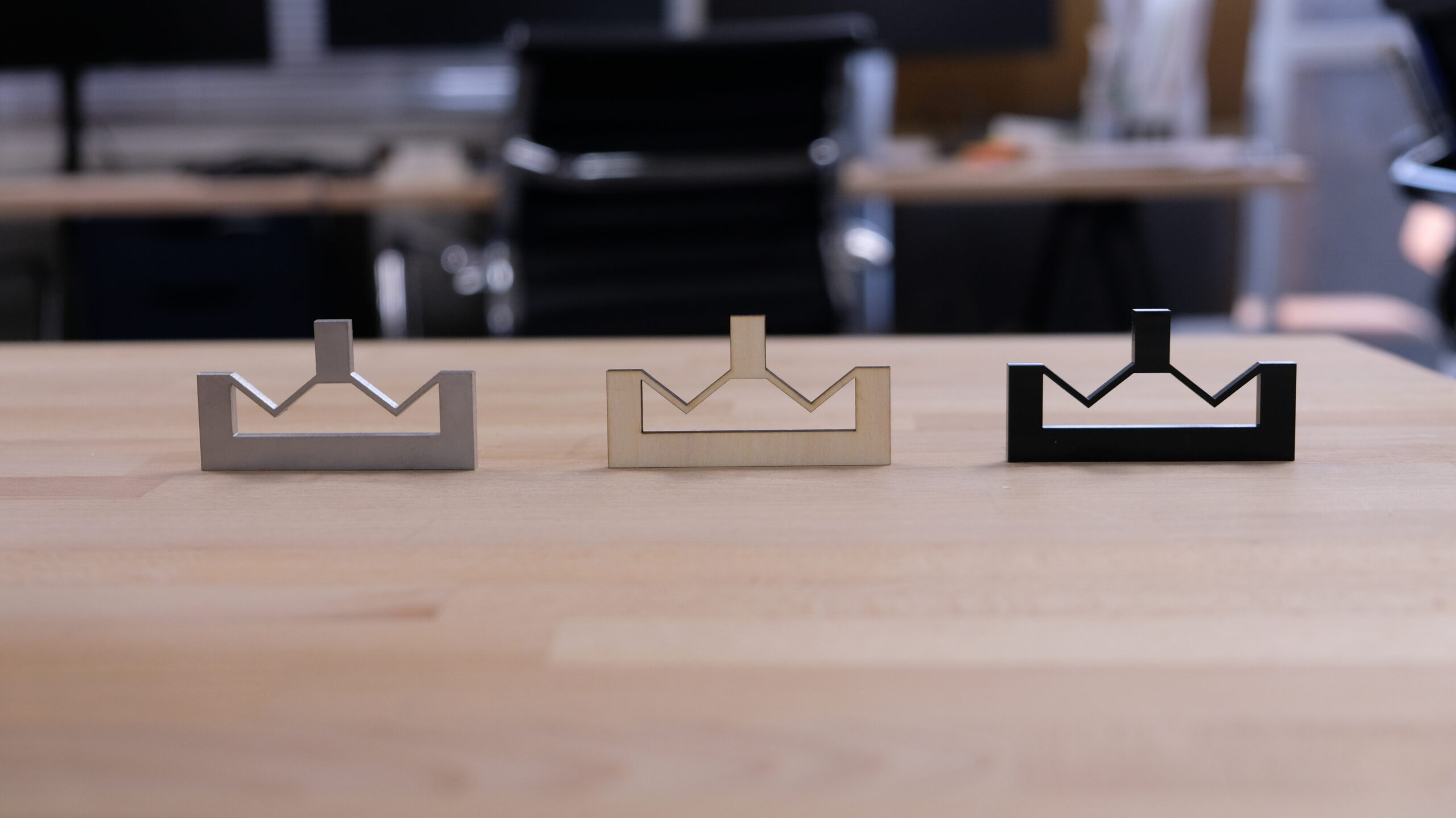
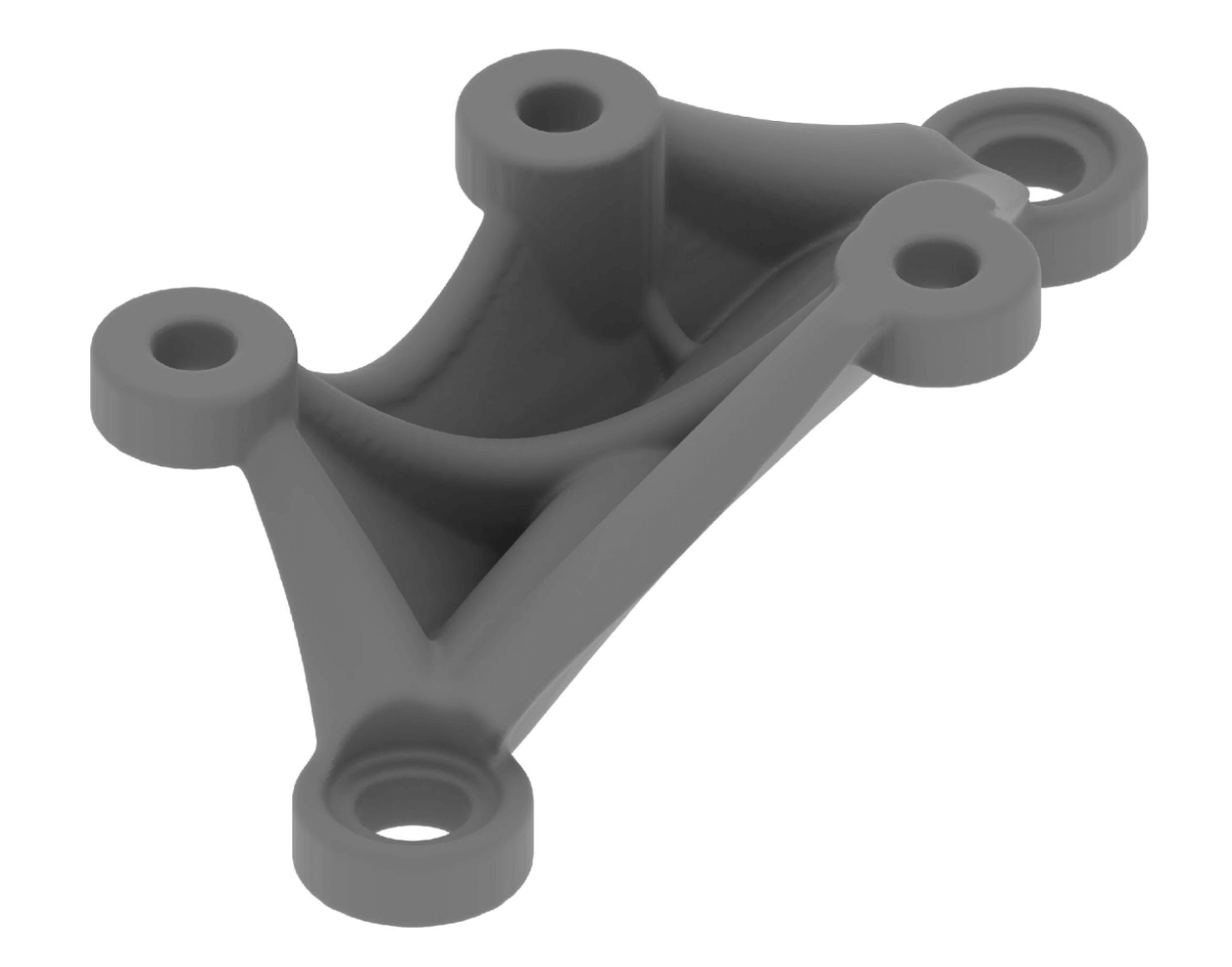
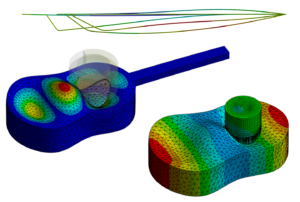
By controlling deformation and frequency characteristics using a shape design approach that differs from conventional designs, we can improve performance against advanced vibration problems.
We perform efficient designs using simulations according to fidelity, and contribute to solving issues such as power saving due to vibration amplification, vibration suppression, and weight reduction.
We divide complex phenomena into components and provide vibration solutions that include acoustic coupling problems and structural strength by appropriate design for the areas with high contributions.
Application examples: brackets, bushes, haptic devices, manufacturing equipment, motors, turbines, etc.

Heat and fluid control design
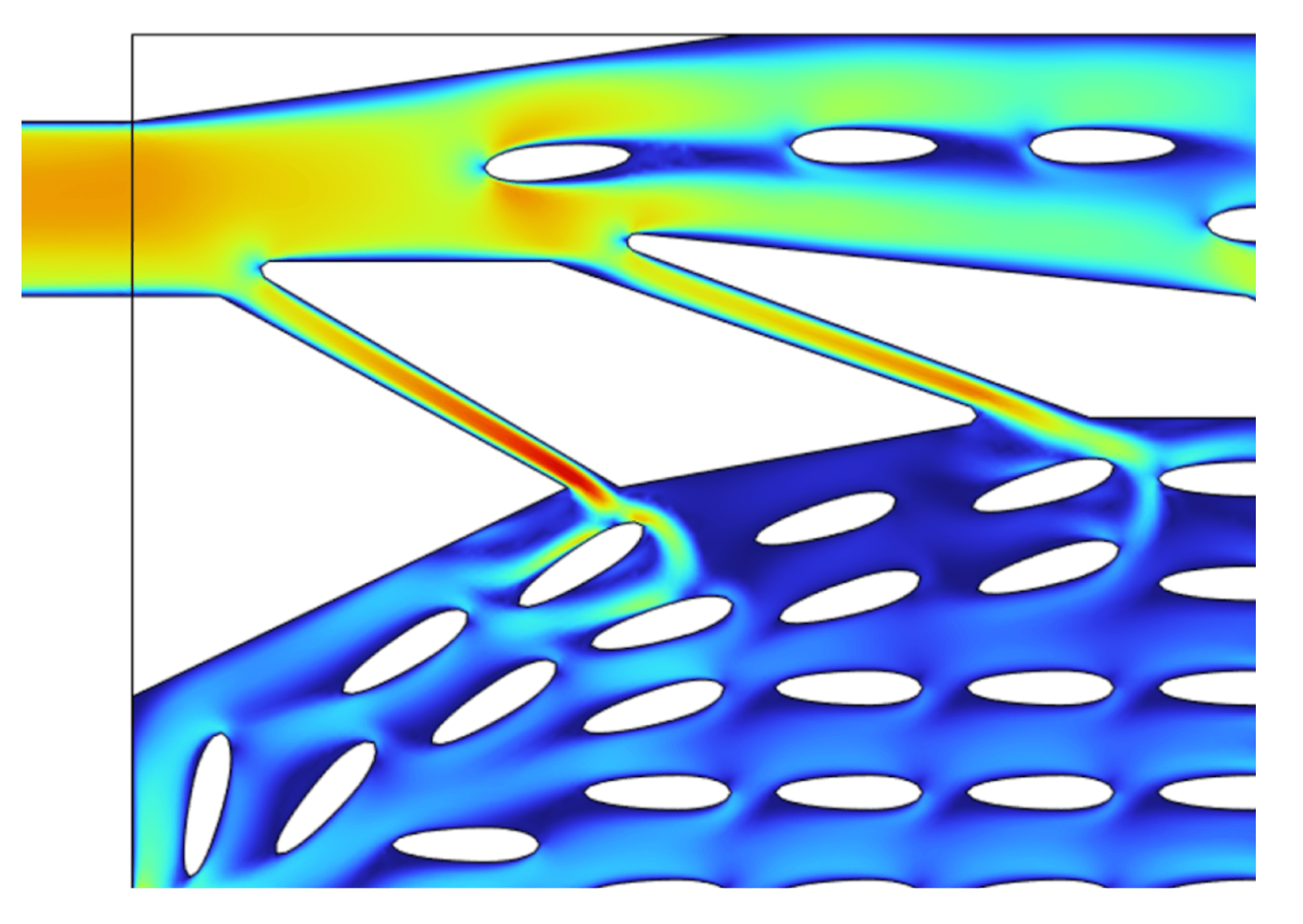
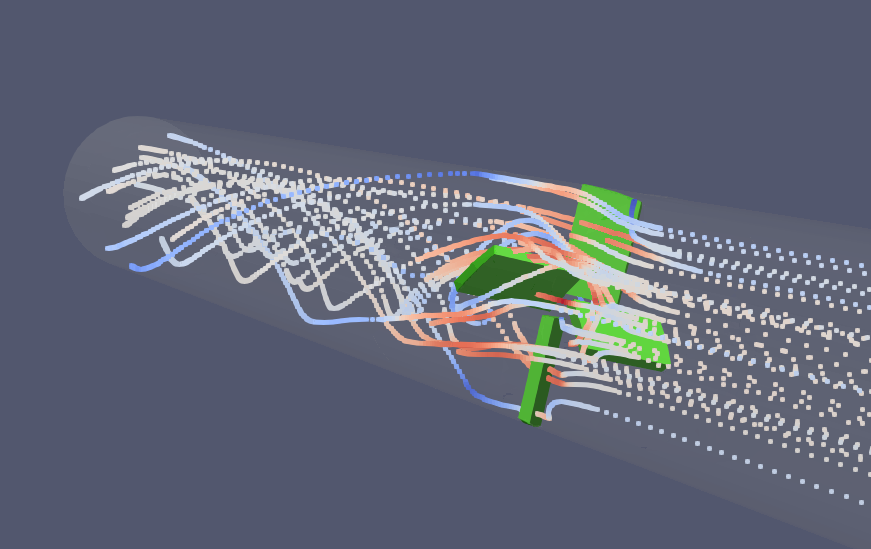
We utilize our advanced design platform to propose new designs that solve problems involving phenomena involving the coupling of fluids, heat, structures, acoustics, etc.
With a variety of flow channel representation methods and fidelity calculation models tailored to the design phase, we support everything from design concept exploration to detailed design.
Based on the functional requirements, we derive the optimal shape that provides ideal flow and temperature fields.
Application examples: cooling channels, heating equipment, mixing and transport channels, reactors, aerodynamic components, etc.
Acoustic Control Design
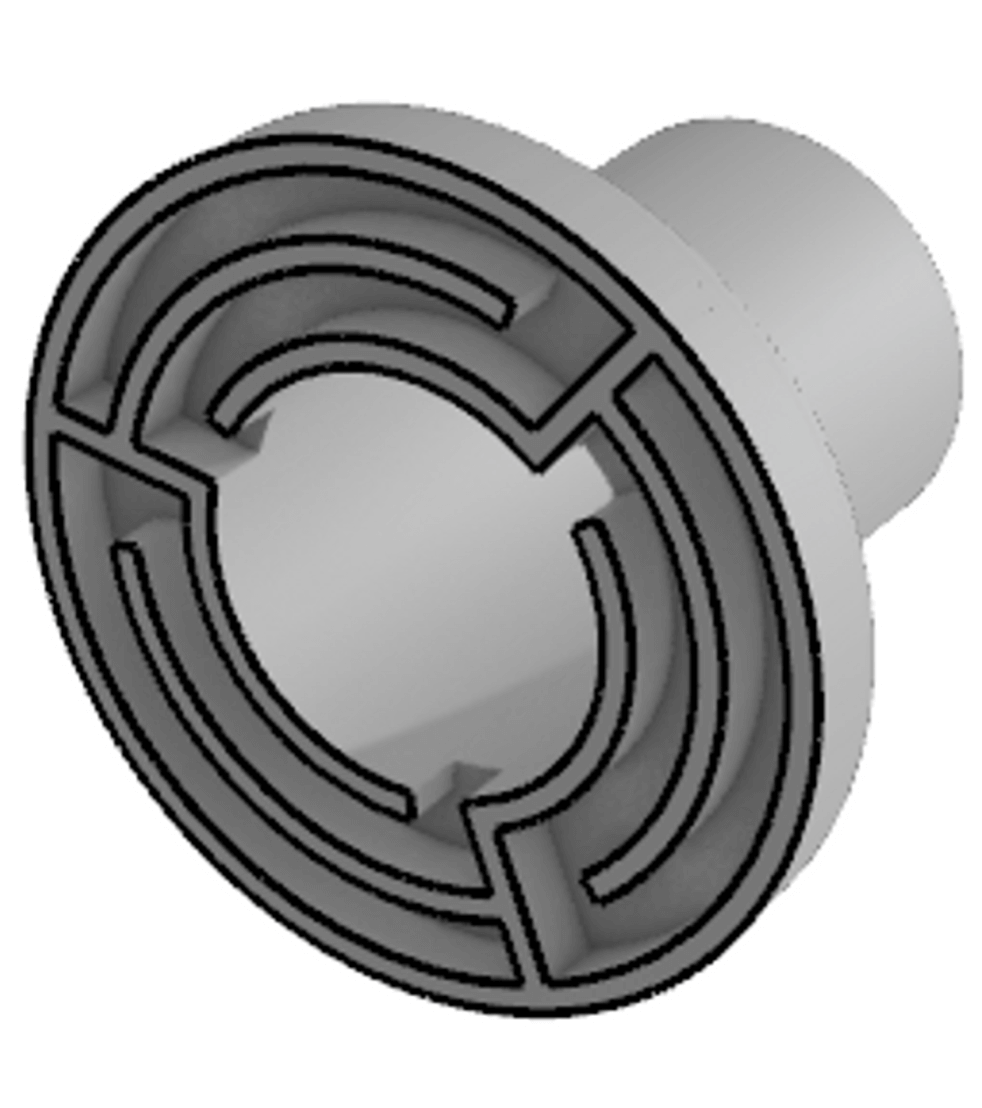
By utilizing the principles of acoustic metamaterials, we can achieve sound insulation/absorption in targeted frequency bands, including low frequency ranges that are difficult to achieve with conventional sound absorbing/insulating materials.
We help achieve a variety of requirements, such as improving performance, saving space, and reducing the environmental impact and costs by reducing the use of sound-absorbing materials.
By adding shape to components that act as sound and vibration transmission paths, we can increase the added value of components without changing materials or manufacturing methods.
Application examples: silencers, various automotive parts, etc.
Collision safety design
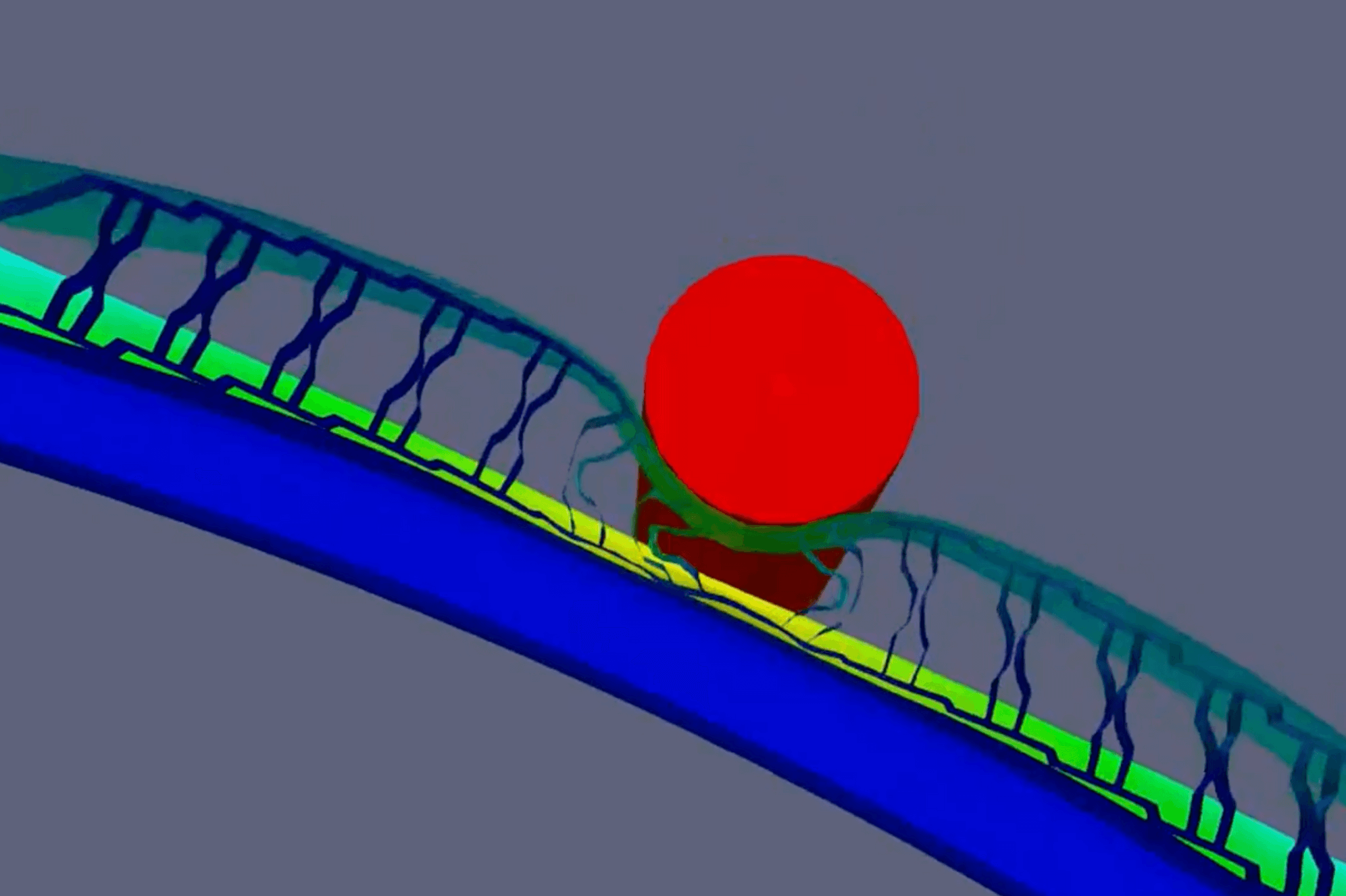
Our design platform creates designs with jumps through a wide range of shape searches, improving performance, reducing weight, downsizing, and enabling material substitution.
By appropriately examining the levels of fidelity, such as from components to the whole, and from simple models to detailed models, we can conduct effective design exploration tailored to each phase.
We support design exploration to maximize the potential of newly applied materials and manufacturing methods.
Application examples: Vehicle body frame structure (compatible with various collision types), passenger and pedestrian protection parts, packaging and cushioning materials, etc.


AM utilization design
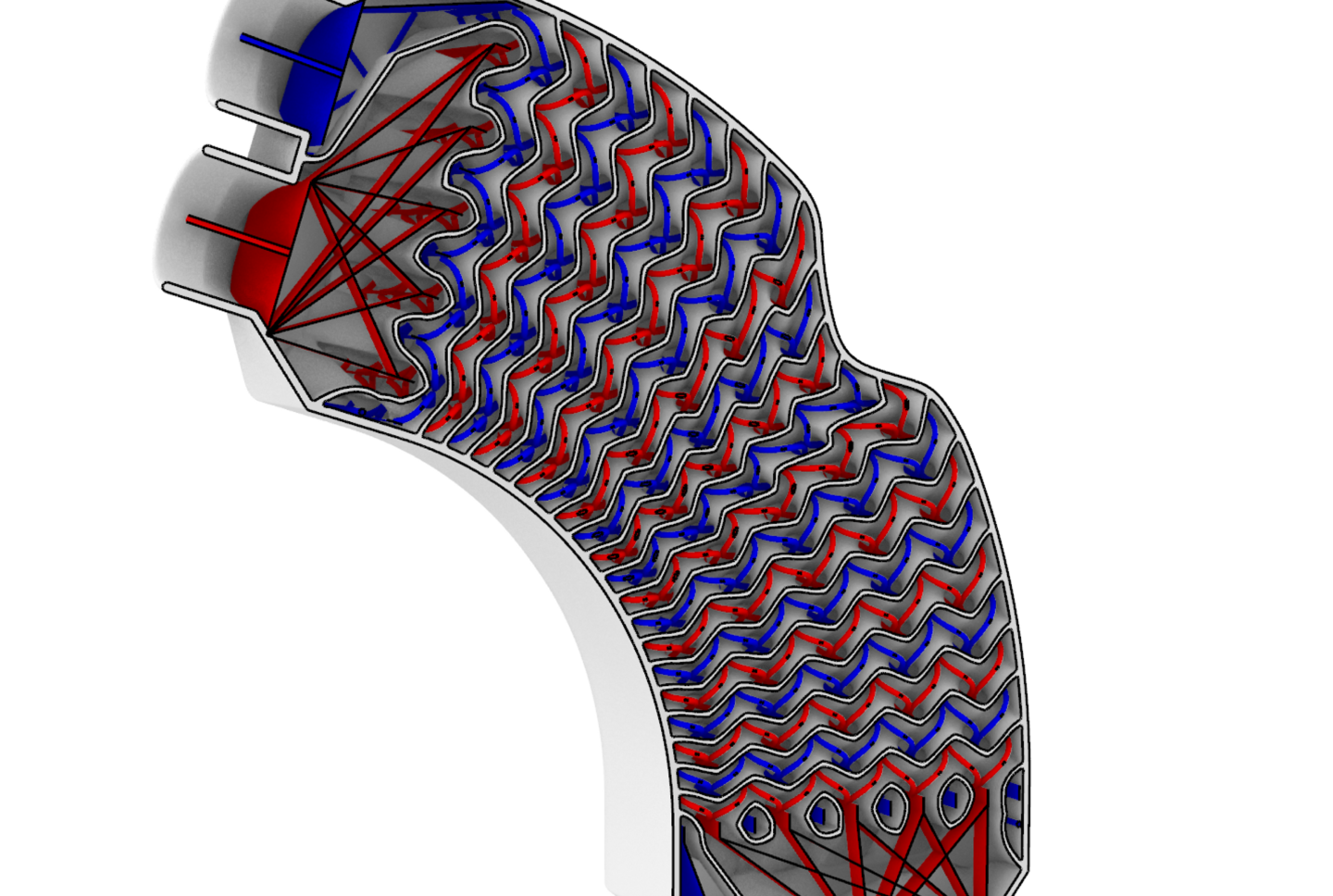
Development based on Additive Manufacturing (AM) increases the freedom of shape, but at the same time requires specialized shape processing, CAE, optimization, and knowledge of the properties of complex shapes to maximize that potential.
By applying our computational environment and knowledge of metamaterials, we will be able to explore designs involving complex geometries based on numerical calculations.
By utilizing AM, we will accelerate product performance improvement, component integration, and function integration.
Application examples: High-performance heat exchangers, deformation-following components with anisotropic elasticity, integration of multiple functions, mono-material design, etc.
